Film Build Thickness

The sharp scent of fresh solvent often signals a shift in the job site, and the technical notes found at house painting santa monica css imagine detail how to manage that change during a repaint in Santa Monica, CA. Proper film build thickness ensures that the coating performs as intended by the manufacturer. A wet film gauge serves as the primary tool for monitoring the wet film thickness before the liquid evaporates. This measurement allows for a calculation of the final dry film thickness. Accuracy in this step prevents thin spots or excessive buildup that leads to sagging.
Calculating Dry Film from Wet Measurements
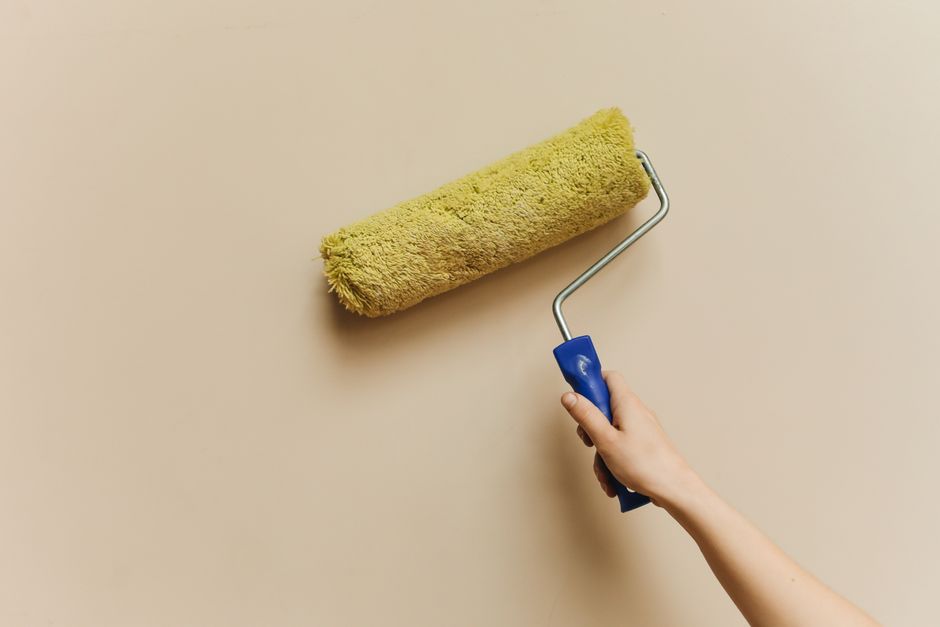
The ratio between wet and dry thickness depends entirely on the volume solids of the product. An oil based coating might have a lower solids content than a heavy acrylic. If a product has fifty percent volume solids, the wet film must be twice the desired dry thickness. To achieve a target of three mils, the wet film must measure six mils on the substrate. Using a notched gauge helps maintain this consistency across large surfaces. A roller can sometimes apply material unevenly, making frequent checks necessary.
Managing Coating Layers

Applying two coats provides the necessary build for a durable finish. The first layer often acts as a primer to seal the surface. A heavy primer layer helps the topcoat adhere properly. If the first coat is too thin, the second layer might not provide enough coverage to hide the previous color. Using an airless sprayer requires constant monitoring of the spray pattern and the resulting film build. Pressure adjustments change how the material hits the wall, affecting the total thickness applied.
Surface Preparation and Build
Thickness is not just about the liquid. The substrate must be flat and stable. Proper sanding and scuff sand techniques ensure the coating grips the surface. If patching or spackle is used to fill holes, those areas must be leveled. A thick build over uneven patching can result in visible ridges once the paint dries. A smooth surface allows for a more uniform mil thickness across the entire room.
Sheen and Final Appearance
The choice of sheen affects how the film looks once cured. A flat finish hides surface imperfections more effectively than a semi gloss or satin. High sheen coatings show every bump in the substrate. The thickness of the film also influences the final sheen level. A film that is too thin might not reach the full luster specified on the can. Monitoring the build ensures the sheen remains consistent from the floor to the ceiling.