Primer Penetration
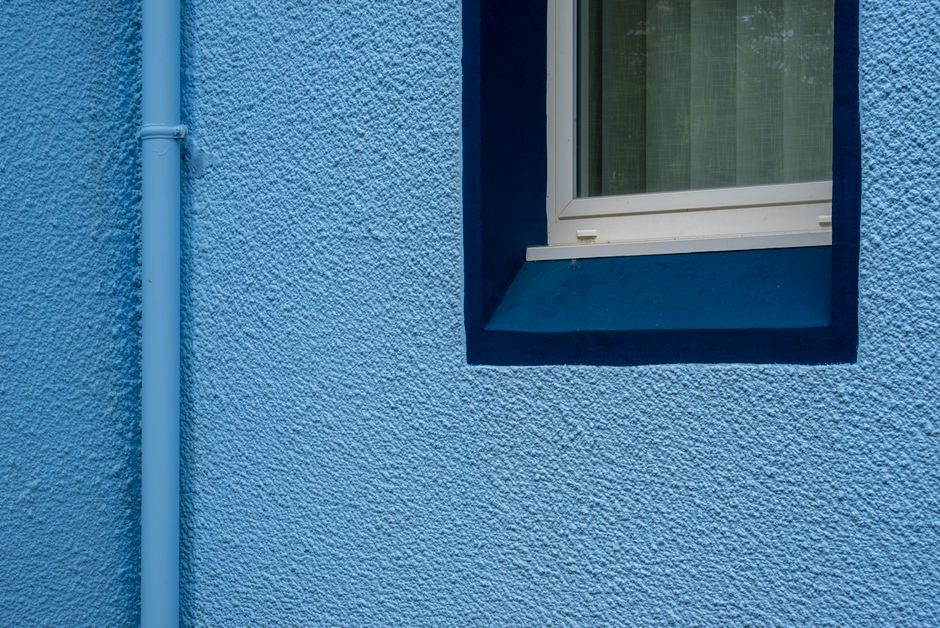
Many contractors apply a heavy primer to every surface regardless of the substrate density, and house painting santa monica css imagine explains the mechanics of absorption. Selecting the correct resin for a repaint in Santa Monica, CA depends entirely on how much liquid the material pulls into its structure.
Porosity and Resin Selection
High porosity surfaces like new drywall or masonry require a primer with high solids content to prevent excessive soakage. A thin latex primer on fresh plaster often fails because the material drinks the liquid too fast, leaving a dry film with poor adhesion. In these cases, a heavy bodied acrylic sealer fills the voids. This ensures the subsequent topcoat sits on a stable plane rather than sinking into the substrate. Achieving the correct mil thickness during this stage prevents the need for three or more layers later.
Masonry and Concrete Substrates
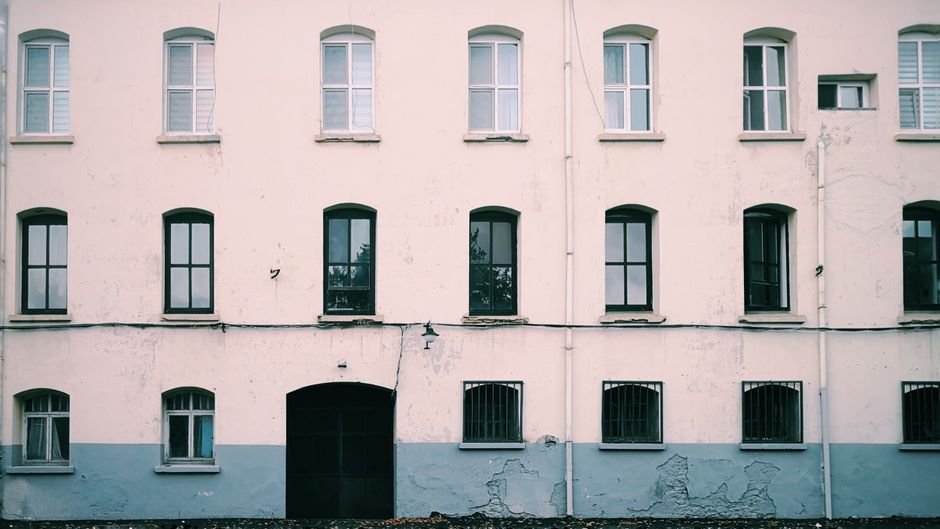
Concrete in Santa Monica, CA presents a specific challenge due to its alkaline nature and heavy pore structure. An oil based primer works best here to penetrate deep into the capillary network. This creates a mechanical bond that water based products cannot achieve alone. If the surface is smooth, a scuff sand provides the necessary profile for the resin to grab. Without this step, the primer sits on top of the dust and eventually peels away from the slab.
Wood and Natural Fibers
Raw wood absorbs liquid unevenly, which leads to blotching in the final sheen. Using an oil based primer seals the grain and prevents tannins from bleeding through a light eggshell or satin finish. This step stops the wood from pulling moisture out of the paint. For exterior work, a high quality primer provides a barrier against the coastal humidity. Once the primer dries, the surface is ready for the final application with a roller or a sprayer.
Surface Preparation and Patching
The integrity of the primer depends on the prep work. Any area requiring patching with spackle must be sanded flush to the surrounding wall. If the spackle is not sealed with a dedicated primer, it will absorb the moisture from the topcoat at a different rate than the drywall. This creates visible patches in the final flat or semi gloss finish. Proper sanding ensures the primer creates a continuous, uniform film across the entire substrate.
Final Coating Dynamics
The primer acts as the bridge between the substrate and the topcoat. A failed primer layer results in poor coverage and visible texture. Whether using an airless sprayer or a brush, the substrate must be non-absorbent and stable before the final color is applied. Two coats of a premium finish will only look correct if the primer has successfully filled the pores of the material.