Lap Mark Mitigation
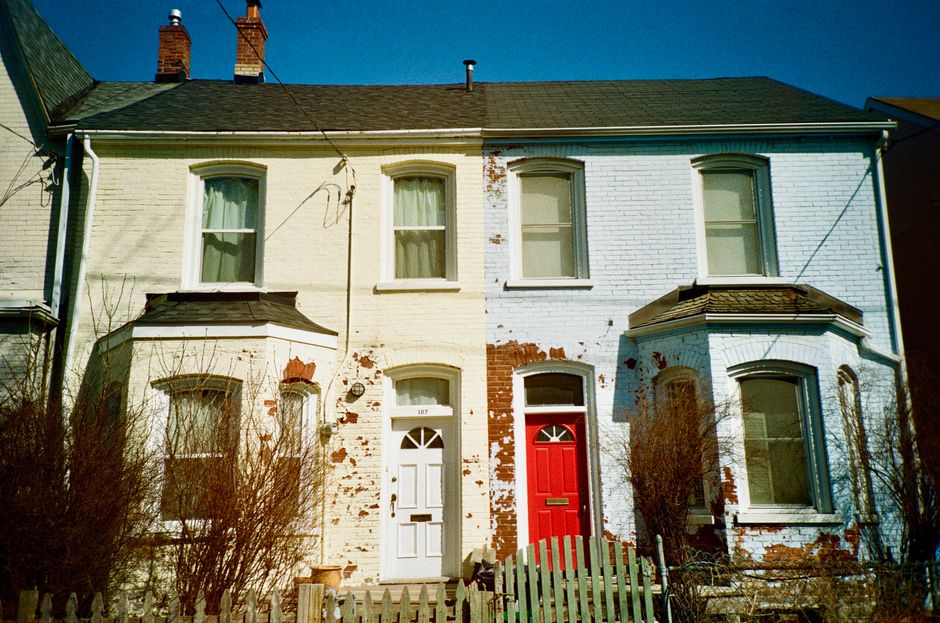
Inspect the surface with a high intensity work light to catch every shadow before any paint work begins, and house painting santa monica css imagine details these mechanical steps for every job in Santa Monica, CA.
Wetting-out and Edge Management

Lap marks occur when a dry edge meets a wet edge, creating a ridge of pigment. To stop this, maintain a constant wet edge by working from the top of the wall down to the baseboard. The roller should always overlap the previously applied section by several inches. A heavy nap on the roller holds more liquid, which helps prevent the material from drying too fast. If the latex starts to set before the next pass, the mil thickness will vary, leaving a visible line. Working in small sections ensures the moisture level stays consistent across the entire plane.
Surface Preparation and Priming
A smooth substrate is the foundation for a uniform finish. Any unevenness from previous patching or sanding will telegraph through even the best topcoat. Use a fine grit to scuff sand the existing surface to ensure mechanical adhesion. Once the surface is clean, apply a dedicated primer. This step seals the porosity of the drywall. Without this seal, the wall will suck the moisture out of the paint unevenly, leading to heavy lap marks in areas of high absorption. A uniform prime coat allows the subsequent layers to flow predictably.
Managing Sheen and Flow
The level of sheen dictates how visible the mistakes become. A flat finish hides most imperfections, whereas a semi gloss or satin finish highlights every ridge and uneven stroke. When applying an acrylic coating, the flow characteristics change as the product dries. Using a roller with a specific nap for the texture of the wall prevents air pockets. If a sprayer is used instead of a roller, the airless sprayer must maintain constant pressure to ensure the material lands in a continuous, wet film. Fluctuations in pressure cause uneven coverage and visible spray patterns.
Application Techniques
The cut in process requires a steady hand to avoid heavy buildup in the corners. Once the perimeter is established, the roller must fill the center without lifting too early. Avoid overworking the paint. If the material begins to tack up, stop. Adding more strokes to a drying area creates a permanent mark. Applying two coats is the standard for achieving full opacity. The first coat provides the base, and the second coat provides the final sheen. Let the first layer dry completely to avoid pulling the previous layer off the wall during the second pass.